GUANGZHOU, GUANGDONG, CHINA, October 29, 2026 /EINPresswire.com/ — Where to find a good zipper bag feeder? What criteria define a reliable feeding mechanism for automated packaging lines? How do operational parameters influence long-term production stability?
Navigating Precision Packaging: Evaluating Industrial Feeding Solutions
Finding a Good Zipper Bag Feeder involves much more than simply selecting a device with high stated speeds. For manufacturing plants, packaging fulfillment centers, and contract packagers across North America, Europe, the Middle East, and Southeast Asia, sourcing the right intelligent feeding equipment requires a careful balance of material compatibility, mechanical design, control precision, and verified supplier capabilities.
An intelligent zipper bag feeder-often integrated into automated friction feeding and variable data printing platforms-serves as the critical first step in high-speed packaging lines. It must reliably separate single items from a stacked bundle of soft, flexible, or static-prone bags without double-feeding or jamming. Yet, choosing the optimal hardware goes beyond a single machine spec sheet. Real-world procurement decisions hinge on understanding operational boundaries, material friction coefficients, environmental limitations, and integration constraints with upstream or downstream systems like thermal transfer overprinters (TTO) and UV inkjet coders.
Core Factors in Selecting an Industrial Feeding Solution
When engineering teams and procurement managers search for high-performance packaging components, several critical parameters dictate operational success. Overlooking these factors frequently leads to common procurement failures, such as premature component wear, unstable batch feeding, or high error rates with thin plastic films.
Key Parameters vs. Operational Limits
Material Thickness and Flexibility vs. Friction Control: Zipper bags present unique handling challenges due to their dual-layer structure, variable thickness near the zipper seal, and flexible polymer composition. Feeders must utilize adjustable friction belts and customized pressure regulation to separate flexible bags cleanly.
Dimensions vs. Speed Capacities: Standard operating specifications usually reference average product sizes (e.g., 100mm reference length). However, maximum speeds up to 300 pieces per minute depend heavily on whether the bag width and length fall safely within the machine’s designed tolerance envelope (such as 60-400mm lengths and 30-400mm widths).
Static Electricity and Environmental Factors: Plastic zipper bags easily accumulate static charges during handling, causing them to cling together. Equipment must incorporate static elimination features or material-friendly belt designs to prevent misfeeds.
Common Procurement Failure Points
Ignoring Material Variations: Purchasing a generic friction feeder designed exclusively for rigid paper cards and attempting to run flexible, slippery plastic zipper bags without adjustable tension control.
Overlooking Integration Interfaces: Failing to verify whether the feeder can seamlessly synchronize signals with existing packaging machinery, conveyors, or inkjet coding systems.
Neglecting Supplier Verification: Relying solely on low initial procurement costs while ignoring supplier manufacturing experience, patent portfolios, and quality management certifications like ISO9001.
Engineering Excellence and Practical Application Cases
To address these complex industrial requirements, established manufacturing specialists combine mechanical innovation with intelligent control technology. A prime example of balancing cost-effectiveness and high performance in automated feeding is demonstrated by advanced engineering models such as the Intelligent friction feeder BY-HF02-400.
Designed as an optimized alternative to premium heavy-duty platforms, this model utilizes a three-friction-belt configuration tailored for products ranging from 30mm to 380mm in width. Built with a durable stainless steel body, it accommodates soft boxes, cards, labels, instructions, and plastic bags-even those prone to static electricity. Operating at continuous speeds up to 300 pieces per minute with variable brushless DC motor control, it highlights how modern automation achieves high throughput without requiring complex scientific formulas or prohibitive capital investments.
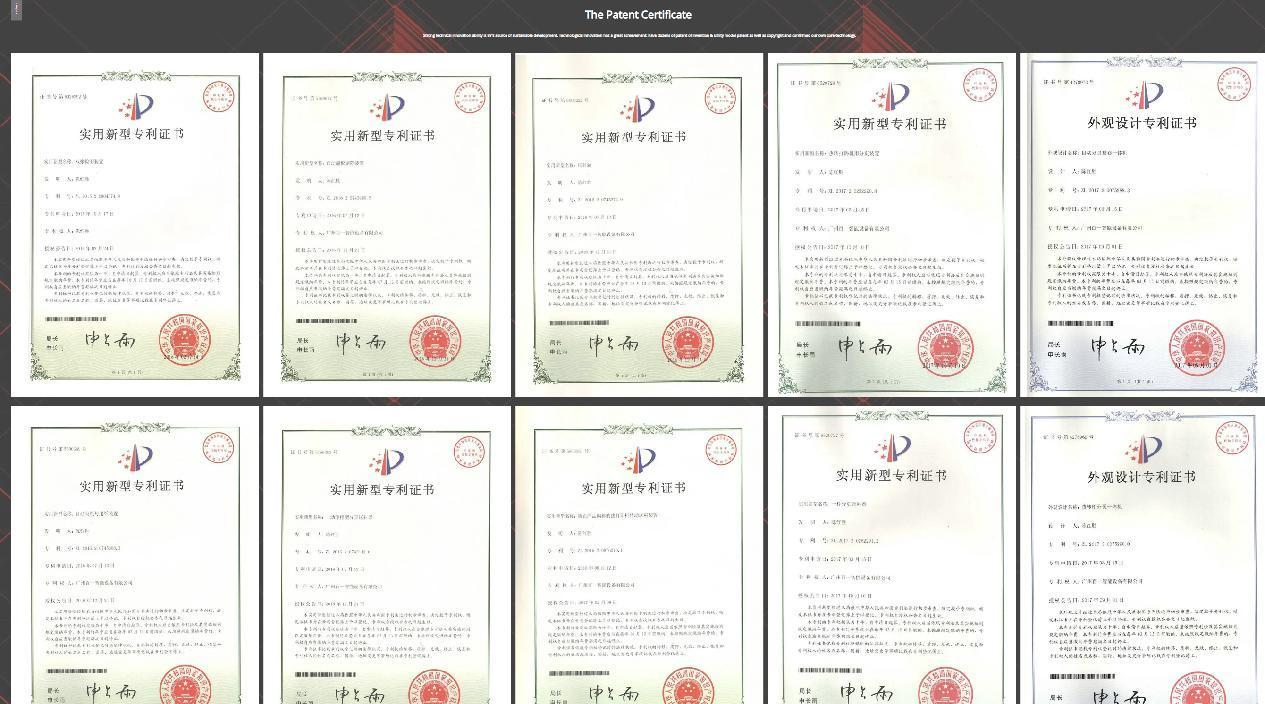
Behind such specialized hardware lies decades of industry dedication. Founded with a 17-year history in Panyu, Guangzhou, China, Baiyi Identification has focused its core capabilities on intelligent feeding machines, UV inkjet technology, and UV digital printing systems. Recognized as a High-tech Enterprise and Innovative Technology Enterprise, the company holds dozens of patents, ISO9001 certification, and CE compliance. By replacing traditional printing processes with sustainable UV digital solutions, the enterprise enables small-batch production, personalized customization, reduced labor, and enhanced environmental sustainability across global markets.
Frequently Asked Questions
What distinguishes a specialized zipper bag feeder from a standard paper card feeder?
Zipper bag feeders require specialized rubber friction belts, adjustable pressure separation mechanisms, and optional anti-static features to handle flexible plastic films and uneven sealing strips, whereas standard card feeders are optimized for rigid paper stock.
How can plant managers verify the reliability of an overseas feeding machine supplier?
Buyers should verify ISO9001 quality management certifications, CE compliance marks, proprietary patent portfolios, and ask for customized testing videos using the actual customer sample materials prior to shipment.
What are the typical maintenance requirements for high-speed friction feeders?
Routine maintenance includes periodic cleaning of rubber friction belts to remove dust or adhesive residue, checking motor and transformer stability, and inspecting mechanical guide rails for alignment.
Can intelligent feeders be integrated with existing coding and inspection systems?
Yes. Modern intelligent feeders feature standard communication interfaces and signal I/O ports designed to synchronize effortlessly with external UV inkjet printers, TTO coders, and camera vision inspection systems.
What factors cause double-feeding issues in plastic bag automation?
Double-feeding is typically caused by excessive static electricity, incorrect gap distance settings between feed rollers, worn-out friction belts, or improper stacking pressure of the raw material bundle.
Optimizing Your Packaging Workflow: Next Steps
Integrating robust automated feeding into your production line requires a tailored approach aligned with your specific product dimensions, material properties, and factory layout constraints.
Customizing Your Feeding and Coding Strategy
Rather than adopting a one-size-fits-all approach, evaluate your current throughput bottlenecks, material variations, and coding requirements. Collaborating with experienced engineering teams ensures that mechanical specifications, power configurations, and custom integration options match your exact operational goals.
For comprehensive product specifications, technical support, and tailored automation solutions tailored to your facility, visit the official enterprise website: https://www.by-ifeeder.com/
Baiyi Identification
Baiyi Identification
Legal Disclaimer:
EIN Presswire provides this news content “as is” without warranty of any kind. We do not accept any responsibility or liability
for the accuracy, content, images, videos, licenses, completeness, legality, or reliability of the information contained in this
article. If you have any complaints or copyright issues related to this article, kindly contact the author above.

Media gallery